
Early Years
Meet the Staff
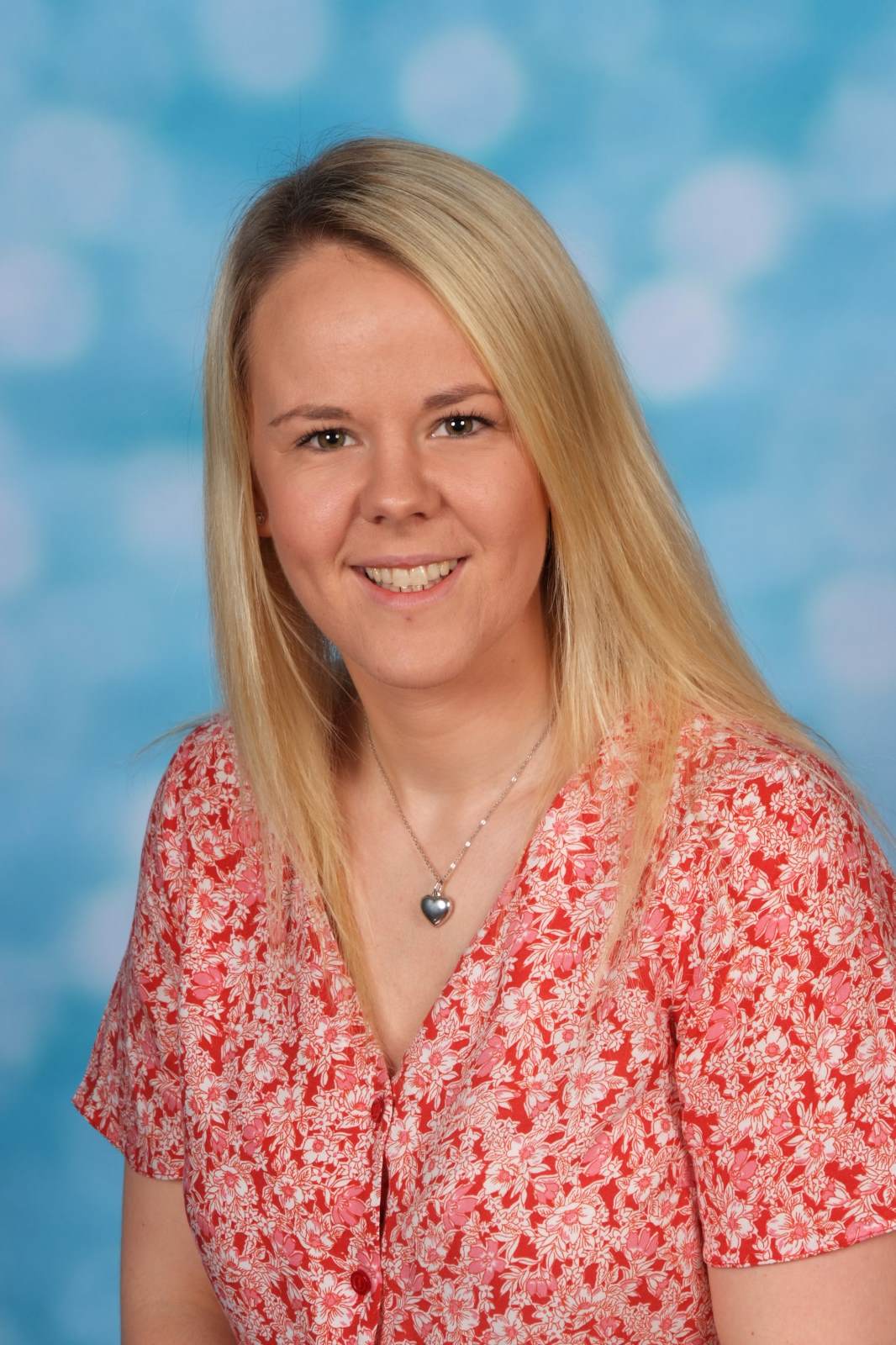
Mrs E Brown

Miss L Corkin
Click here for our Early Years Policy
Giving Every Child the Best Possible Start
At Barnwell Academy, we believe that the Early Years Foundation Stage (EYFS) provides the essential foundations for children's future learning and success. Our ambitious, carefully sequenced curriculum develops the knowledge, skills, vocabulary and learning behaviours children need to thrive.
Through high-quality teaching, purposeful play and meaningful interactions, we nurture curiosity, independence and a love of learning. Our curriculum encompasses all seven areas of learning within the statutory EYFS framework, with particular emphasis on communication and language, personal, social and emotional development and physical development.
We recognise that children develop at different rates and from different starting points. Through carefully planned provision, ongoing assessment and strong partnerships with families, we ensure that every child is supported and challenged to achieve their potential.
Our ambition is for every child to develop secure foundations, become a confident and capable learner and be well prepared for the next stage of their education.
Foundational Knowledge and Skills
Building the Foundations for Future Learning
Strong foundations are at the heart of our Early Years curriculum. We explicitly teach and carefully sequence the essential knowledge and skills children need, providing frequent opportunities to practise, revisit and apply their learning.
Our key priorities include:
-
Communication and Language: Developing vocabulary, listening, attention and spoken language through high-quality interactions, stories and conversation. Our use of Talk Boost and Talk Blast provides additional opportunities to strengthen children's speech, language and communication skills.
-
Early Reading: Developing phonological awareness, decoding and a love of reading through stories, rhymes and our systematic phonics programme, Little Wandle.
-
Early Writing: Establishing the foundations of transcription and composition through oral rehearsal, phonics, fine motor development and carefully sequenced writing opportunities.
-
Mathematics: Securing early number sense, counting, subitising, numerical relationships, pattern and spatial reasoning through explicit teaching and practical exploration.
-
Physical Development: Strengthening coordination, gross and fine motor control and the physical skills needed for independence and handwriting.
-
Personal, Social and Emotional Development: Building positive relationships, emotional awareness, self-regulation, confidence and independence.
These foundations are developed through a balance of direct teaching, purposeful continuous provision and carefully supported play.
Communication, Reading and Writing
From Spoken Language to Confident Readers and Writers
We recognise that spoken language underpins children's learning, particularly their development as readers and writers. Our language-rich environment provides frequent opportunities for children to listen, talk, question, explain and develop their ideas.
Approaches such as Helicopter Stories, Drawing Club and Poetry Basket develop vocabulary, imagination, storytelling and oral composition. Through stories, poetry, drama and creative experiences, children learn to organise their thoughts, communicate confidently and develop a love of language.
Early reading is taught systematically through Little Wandle alongside a rich diet of high-quality texts, storytelling and reading for pleasure.
Our approach to early writing recognises that children must develop both the physical skills required for handwriting and the linguistic knowledge needed to communicate meaning.
Launchpad for Literacy supports our understanding of the developmental foundations underpinning early literacy, while Dough Disco and Squiggle While You Wiggle provide engaging opportunities to strengthen fine motor control, coordination and the movement patterns needed for handwriting.
Through explicit teaching, oral rehearsal and meaningful writing opportunities, children progressively develop their ability to form letters, spell words and compose sentences.
Our aim is to ensure that children develop the secure foundations needed to become confident, fluent and enthusiastic readers and writers.
Executive Function and Self-Regulation
Developing Independent and Resilient Learners
Alongside academic foundations, we place great importance on developing the cognitive and emotional skills that help children become successful learners.
These skills, known as executive functions, enable children to manage their attention, remember information, regulate their behaviour and approach challenges.
Our provision deliberately supports the development of:
-
Working Memory: Remembering instructions, recalling information and applying previous learning.
-
Inhibitory Control: Managing impulses, sustaining attention, taking turns and regulating emotions.
-
Cognitive Flexibility: Adapting thinking, solving problems and exploring different approaches.
Through consistent routines, games, storytelling, purposeful play and sensitive adult interactions, children develop these essential skills.
We provide increasing opportunities for children to make choices, persevere with challenges, manage their emotions and take responsibility for their learning.
Characteristics of Effective Teaching and Learning
Curious, Confident and Motivated Learners
The Characteristics of Effective Teaching and Learning are central to our EYFS approach. They describe how children engage with learning, develop their thinking and respond to new experiences.
Playing and Exploring: Engagement
Children investigate, experiment, make choices and develop the confidence to explore unfamiliar experiences. Our carefully planned indoor and outdoor provision encourages curiosity and independence.
Active Learning: Motivation
Children develop concentration, perseverance and resilience. They learn to sustain effort, overcome challenges and take pride in their achievements.
Creating and Thinking Critically: Thinking
Children develop ideas, make connections, solve problems and explain their reasoning. Adults extend children's thinking through skilful questioning, modelling and discussion.
These characteristics are closely connected to the development of executive function and are embedded throughout adult-led teaching, child-initiated learning and continuous provision.
We want children to become enthusiastic, resourceful learners who are confident to explore, willing to persevere and able to think independently.
High-Quality Teaching and Purposeful Play
Every Interaction Matters
At Barnwell Academy, we recognise that effective Early Years education requires a carefully considered balance of explicit teaching, purposeful play and high-quality adult interactions.
Our practitioners identify precisely what children need to learn and provide opportunities to acquire, practise and apply this knowledge through:
-
Adult-led teaching that introduces essential knowledge, models skills and addresses misconceptions.
-
Purposeful continuous provision that encourages exploration, independence and the application of prior learning.
-
High-quality interactions that develop language, extend thinking and deepen understanding.
-
Responsive assessment that identifies gaps, informs next steps and ensures teaching meets individual needs.
Our inclusive approach ensures that all children, including those with SEND, those learning English as an additional language and those who may face additional barriers, receive the support needed to succeed.
We work closely with parents and carers, recognising the important role families play in children's development.
Ready for the Next Stage
By the end of Reception, our ambition is that children have developed secure foundational knowledge and skills, increasing independence, positive relationships and the confidence to embrace new challenges.
We want children to leave our Early Years provision as curious, capable and motivated learners, equipped with the foundations they need to flourish in Year 1 and beyond.

Curriculum
- Nursery Maths
- Reception Maths- Autumn
- Reception Maths- Spring
- Reception Maths- Summer
- Nursery Phonics Curriculum
- Reception Phonics Curriculum